
A lot of new guards walk into their first interview thinking the bar is low. Entry level job, simple requirements, how hard can it be.
I want to gently push back on that, because it is one of the most common misconceptions I have seen in this industry. The bar is not as low as people think, and the guards who treat it that way are usually the ones who end up stuck at the bottom longer than they expected.
Let me tell you what I have actually seen matter.
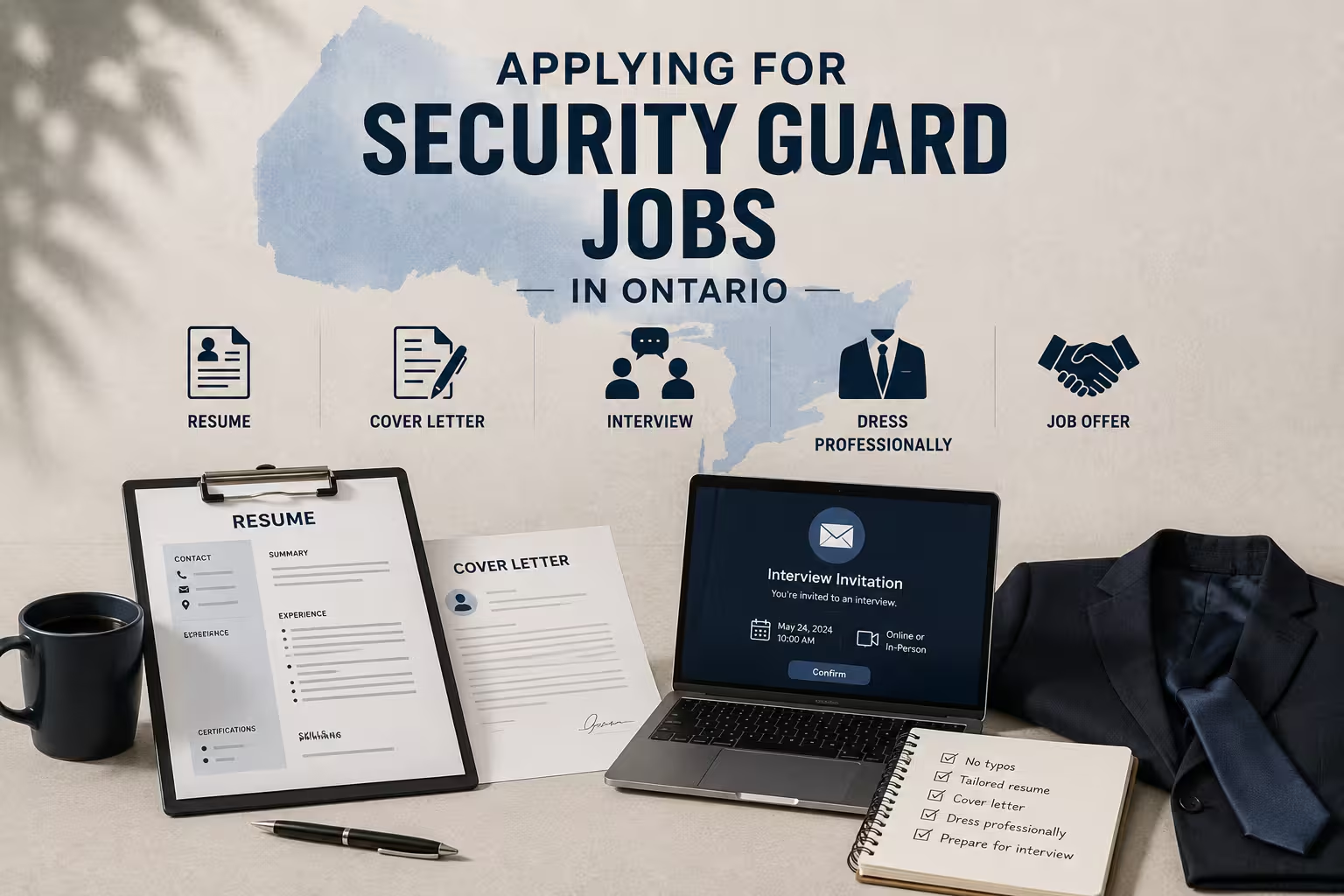
I know it is tempting to think a basic resume is enough for a security guard position. It is not. Whether you have worked in security before or this is your first time, your resume should be current, clearly organized, and free of typos. If there are gaps in your work history, address them briefly rather than leaving them unexplained.
If you have not worked in security before, do not just list every past job with heavy detail. Pull out what actually applies. Customer service experience, conflict resolution, working independently, dealing with the public; these translate directly to this job even if your previous title had nothing to do with security.
And do not skip the cover letter. A lot of people treat it as an afterthought, but in my experience hiring committees often pay more attention to the cover letter than the resume itself, because it tells them how you think and why you actually want this job, not just any job.
If you are not confident your resume and cover letter represent you well, this is exactly the kind of thing worth getting help with from someone who has actually been on the hiring side. It is a small investment that can meaningfully change your results.
This one surprises people. Security work has a tactical, physical image in a lot of people's minds, and some candidates show up to interviews dressed for that image. Do not do this.
When you are interviewing, you are not being assessed on how tough you look. You are being assessed the same way you would be for any professional role. Business casual at minimum. If you own a suit, wear it. If not, a dress shirt or blazer goes a long way. Skip graphic logos, running shoes, and anything that reads as casual streetwear. This is a professional interview regardless of what the job looks like day to day.
Here is the honest truth: a calm, composed candidate stands out more than people realize. You do not need to have a perfect answer to every question instantly. Taking a moment to think before you answer reads as confidence, not hesitation. Rushing to answer something you did not fully understand reads the opposite way.
Show up early, dress the part, and treat the conversation like what it is: two people deciding if this is a good fit, not an interrogation you need to survive.
Something people do not expect about this industry: if you interview well, you can end up with multiple offers at once. When I was starting out, I went to seven interviews and ended up with five job offers. I used that position to actually compare the companies; how they treated me during the process, what they offered, what the team looked like, and chose the one that felt right, rather than taking whichever offer came first.
You are not stuck with the first yes you get. Treat the process as a two-way decision.
I have intentionally kept this general, because the specifics of a strong resume, a tailored cover letter, and real interview preparation depend entirely on your own background and the kind of role you are going for. There is no one-size-fits-all version of this advice that actually works.
Here is something worth thinking about. A bad interview is not something you can take back. It stays in that company's impression of you, and sometimes it affects how word travels in an industry that is smaller than people expect. If you only get one real shot at a first impression with a company you actually want to work for, it is worth taking that seriously.
Paying for a session with someone who has real experience on the hiring side, even just one conversation, can be the difference between fumbling through your first few interviews and walking in prepared. It is a small cost against the risk of burning a good opportunity because you did not know what to expect.
But even without paid help, take the points above seriously. They cost nothing and they matter more than people expect.
Mary is the founder of Calrex Training Academy and has worked in the Ontario security industry for over 15 years, starting as a security guard and moving through roles in dispatching, supervision, and operations before specializing in emergency management and data analytics. She has hired and interviewed security guards and writes about security careers, licensing, and what it actually takes to succeed in this industry.